
College of Islamic Sciences
Serving modern reading and interpretation of Islamic sciences through academic study, intellectual balance, ethical education, research, and a commitment to peaceful coexistence and respect for others.
Islamic sciences in an academic and contemporary context
The College of Islamic Sciences at the University of Sulaimani is dedicated to the study of Islamic knowledge, religious thought, jurisprudence, ethics, and education. Its academic approach combines engagement with original Islamic sources and the needs of contemporary society.
The College emphasizes a moderate intellectual method that rejects isolation, extremism, and the erasure of others. These principles are intended to be reflected in its academic programmes, curricula, and the conduct of lecturers, employees, and students.
Through its departments, the College aims to prepare graduates with strong foundations in Islamic sciences, the Qur'an, Hadith, Sharia, Islamic thought, Arabic language, education, and ethics. It also seeks to develop academic research and encourage respectful discussion, intellectual understanding, and service to society.
From Kurdistan College to the College of Islamic Sciences
Established in 2007, the institution initially operated under the name Kurdistan College and under the auspices of the Ministry of Endowment and Religious Affairs. Its early role focused on the preparation and development of Imams and preachers.
The College originally admitted male students and aimed to prepare moderate preachers with the knowledge and skills required to deliver religious speeches and contribute to their communities.
Today, the College's academic identity encompasses a wider range of Islamic sciences and university-level study, with departments devoted to religious foundations, Sharia, Islamic studies, and religious education.

The College was established under the initial name Kurdistan College, with an institutional focus on religious education and the preparation of Imams and preachers.
The College operated under the auspices of the Ministry of Endowment and Religious Affairs and concentrated on developing religious speakers with a moderate approach.
The College's academic structure developed around four principal areas: Principles of Religion, Sharia, Islamic Studies, and Religious Education.
The College continues to emphasize academic research, curriculum development, peaceful coexistence, moderation, and the preparation of graduates for educational and public-service roles.
A message from the Dean
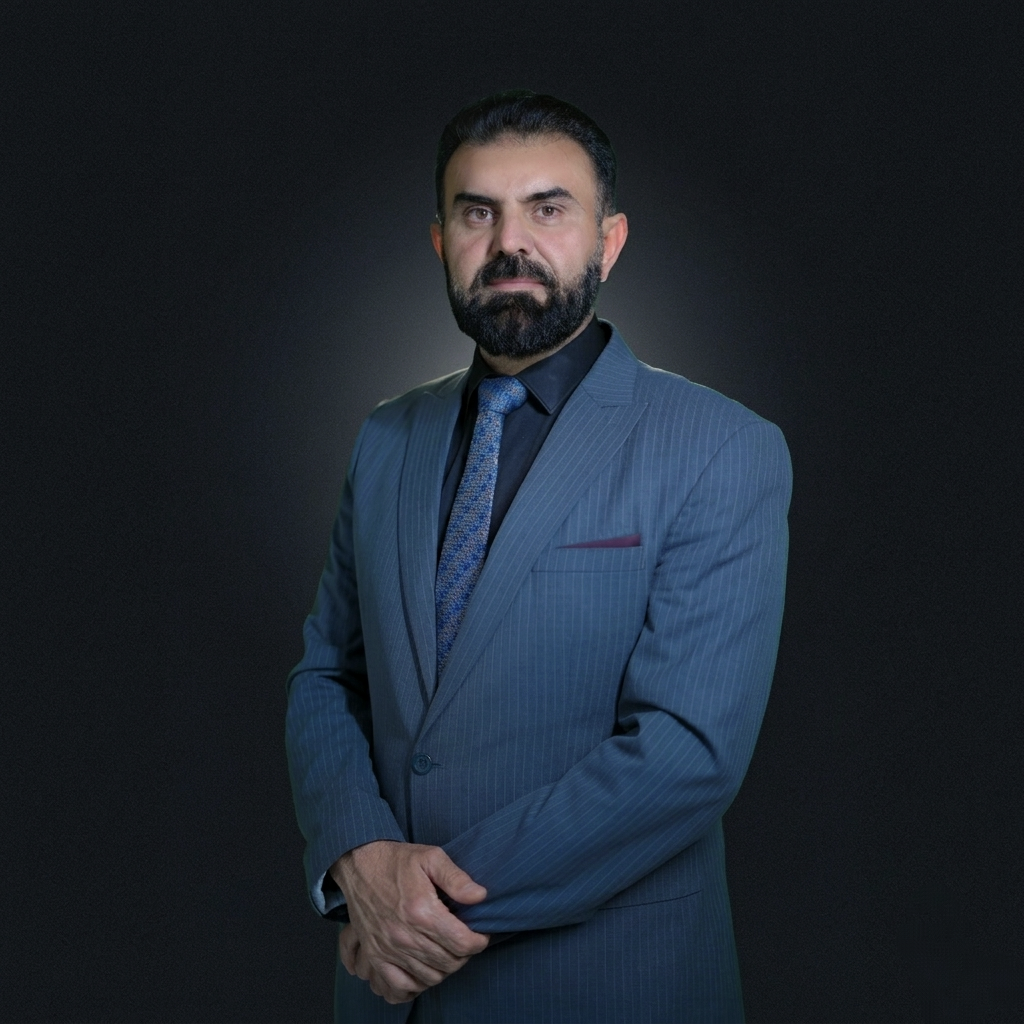
As the Dean of the College of Islamic Sciences at the University of Sulaimani, I am entrusted with the responsibility of developing the College and elevating its academic and scientific standing. I am committed to excellence in work, fairness in performance, and dedicated service that leaves a lasting impact on education and scientific research.
Our priorities include updating curricula, enhancing academic research, and improving the capabilities of faculty members, employees, and students. We also seek to build strong academic relationships with universities and colleges locally and internationally, facilitating the exchange of expertise and successful educational experiences.
The College's role extends beyond academic work. We seek to promote peaceful coexistence, a culture of moderation, and the rejection of extremism. We aim to graduate generations equipped with knowledge, expertise, and dedication to contributing positively to society.
Vision and mission
The College seeks to preserve the depth of Islamic scholarship while encouraging thoughtful engagement with contemporary life, cultural identity, and the needs of society.
Our Vision
To pioneer innovative interpretations and applications of Islamic sciences within a modern context. The College aspires to broaden intellectual horizons, deepen understanding, and foster peaceful coexistence grounded in respected principles. It is committed to preserving the rich cultural heritage and moral traditions of Kurdish culture, honoring the legacy of Kurdish scholars and intellectuals across religion, science, nationality, and culture. Through the modernization of religious discourse and the protection of national identity and cultural integrity, the College seeks to contribute meaningfully to society's advancement.
Our Mission
To foster a balanced intellectual approach that avoids isolation and extremism while promoting inclusion and respect for others. This commitment should be reflected in academic programmes, curricula, and the conduct of the College community. The College aims to equip students with a strong understanding of original Islamic thought so they can communicate its message in a contemporary context. It also seeks to prepare experts in Islamic studies who can contribute to peace, education, and public service in governmental and non-governmental sectors in the Kurdistan Region and elsewhere.
The aim of the College
Preparing knowledgeable graduates who can continue their education, contribute to academic institutions, and serve society through education, research, and professional responsibilities.
Strong academic foundations
Develop graduates with knowledge of Islamic studies, particularly the sciences of the Qur'an, Hadith, and Sharia law, supported by academic study and critical understanding.
Advanced study and research
Prepare students with the foundations needed to pursue further academic study at Bachelor's, Master's, and PhD levels, and to participate in research and scholarly work.
Education and public service
Equip graduates for roles as assistants, experts, and educators within relevant institutions of the Kurdistan Regional Government, and for teaching in public and private schools.
Explore the College's departments
The College consists of four main academic departments. Each offers a different area of study within Islamic sciences and contributes to the College's educational and research mission.
Principles of Religion
The Department of Principles of Religion introduces students to the foundations of Islamic belief and the central concepts of Islamic sciences. It focuses on understanding original Islamic beliefs and the intellectual foundations that shape religious thought.
Students develop familiarity with foundational religious concepts, the sources and principles of Islamic belief, and the scholarly traditions through which these subjects are studied. This foundation supports further study in Islamic disciplines and helps students understand religious questions in their intellectual and social contexts.
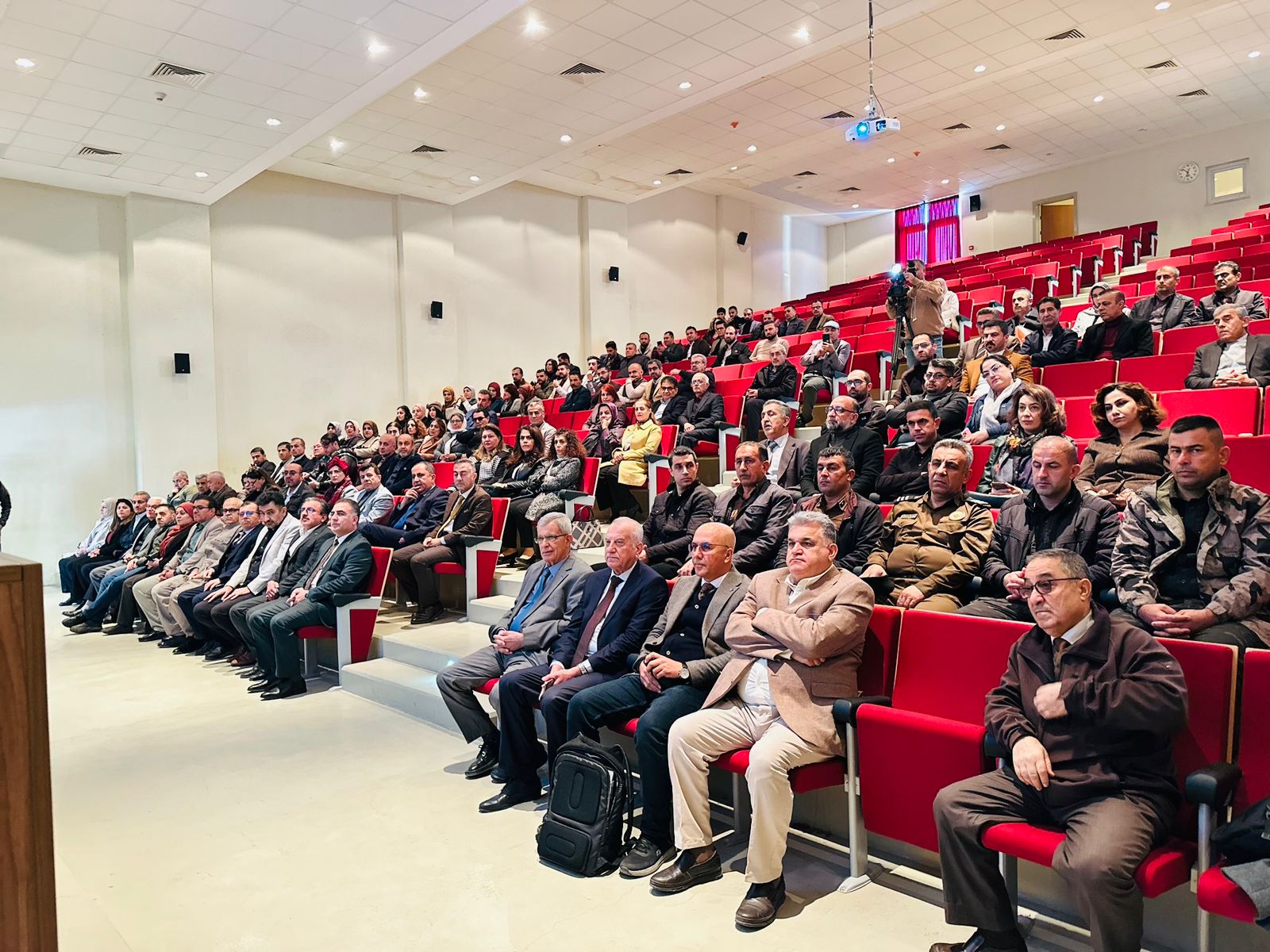
Sharia
The Department of Sharia concentrates on Islamic jurisprudence and the study of the principles and sciences of Sharia. Its academic focus introduces students to the frameworks through which Islamic legal thought is understood and examined.
Students engage with jurisprudential concepts, the principles of Islamic jurisprudence, and the scholarly methods used to understand legal and religious questions. The field develops knowledge that can support educational, research, and relevant professional work.
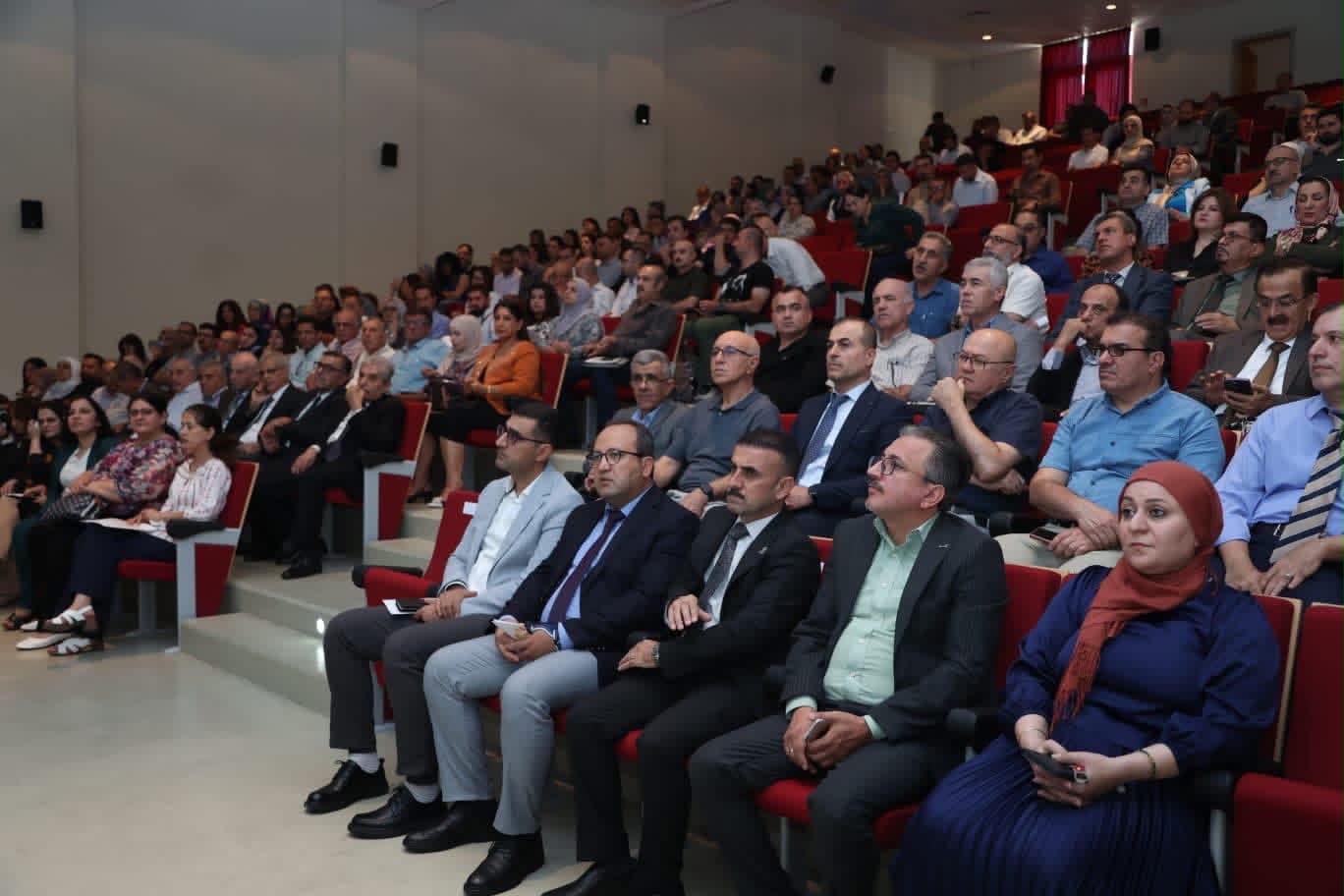
Islamic Studies
The Department of Islamic Studies combines the study of Islamic sciences with broader cultural knowledge and Islamic thought. It also emphasizes the importance of Arabic language proficiency for engaging with important religious and scholarly sources.
The department's interdisciplinary orientation helps students connect Islamic scholarship with language, culture, intellectual history, and contemporary questions. It supports the development of graduates able to read, understand, discuss, and communicate Islamic knowledge in academic and social settings.
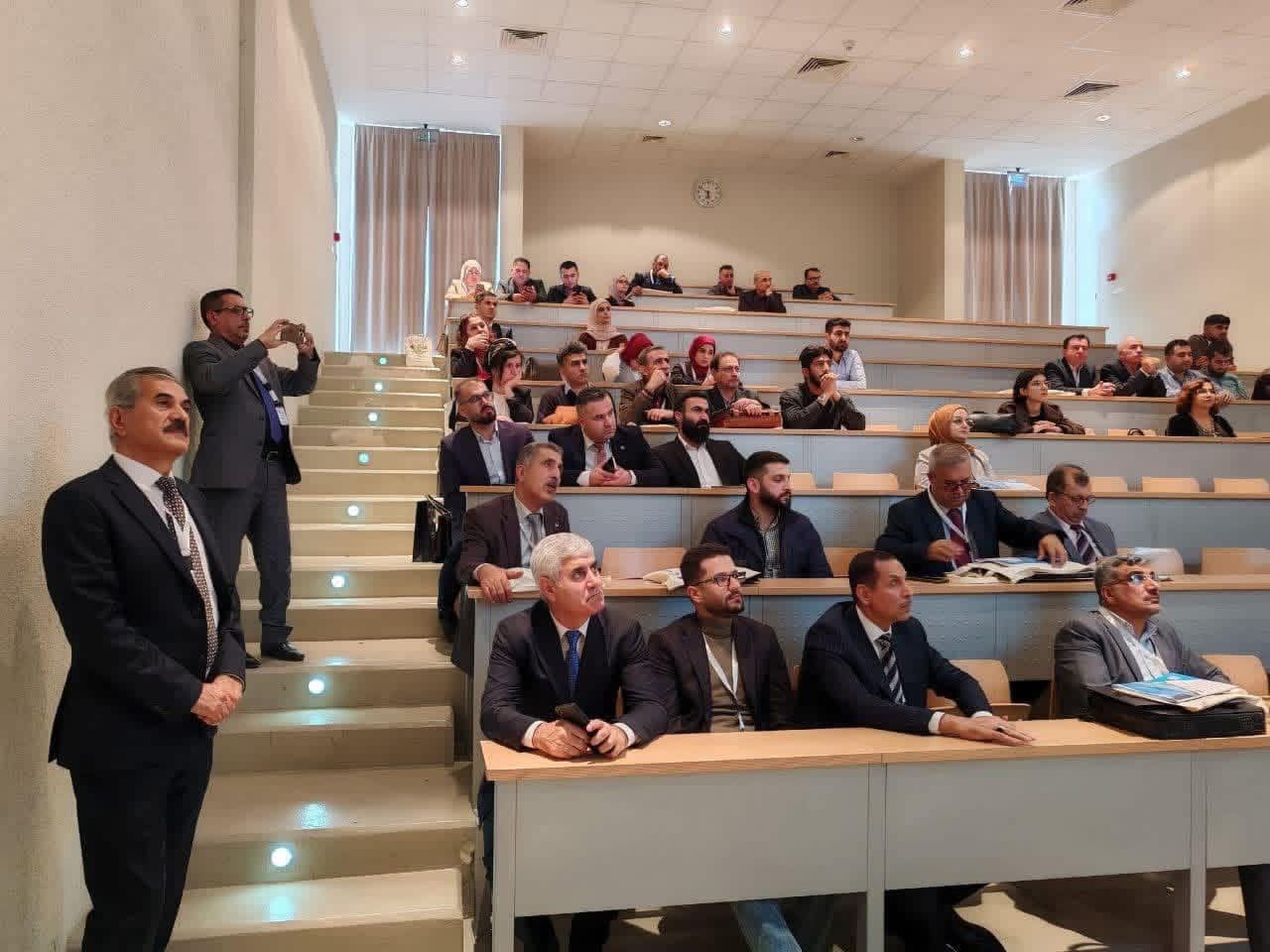
Religious Education
The Department of Religious Education focuses on Islamic sciences alongside the principles and practice of education. It gives attention to ethics, educational approaches, and the values associated with Islamic learning.
Students explore how religious knowledge can be taught and communicated in educational settings. The department's academic emphasis supports the preparation of educators who understand subject knowledge as well as the importance of teaching, responsibility, ethics, and respect for learners.
Islamic Studies – Evening Programme
The College website also lists Islamic Studies – Evening as an additional study option in its department navigation. It is shown separately from the four main departments described above.
Study, discussion, and intellectual development
The College's academic environment encourages students to engage with Islamic sciences through structured study, reading, discussion, research, and participation in academic activities.
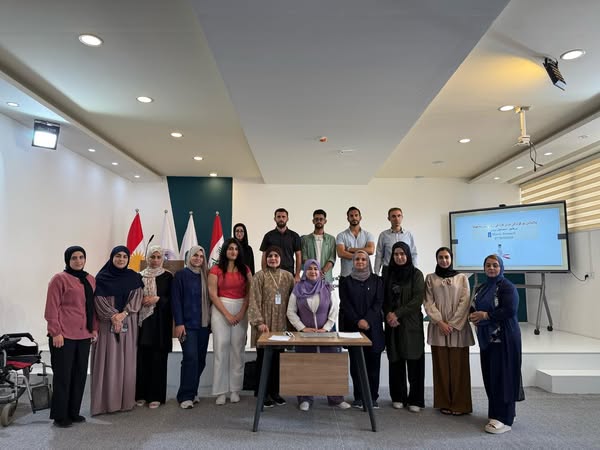
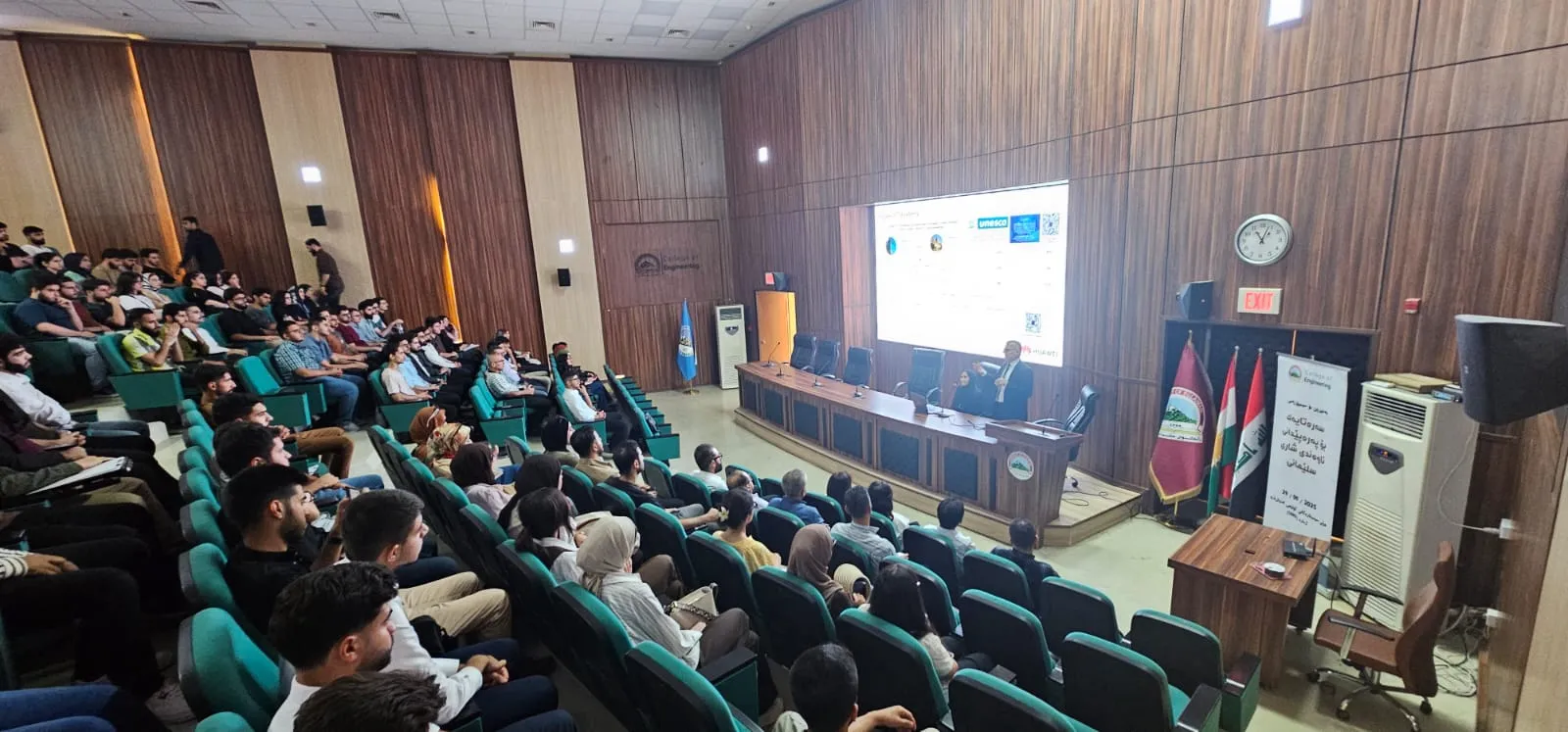
Workshops and scholarly meetings provide opportunities for lecturers and students to exchange ideas, consider educational challenges, discuss research topics, and reflect on the development of academic programmes.
Academic research and contemporary questions
The College encourages scholarly inquiry and the development of research that contributes to Islamic sciences, education, culture, and the wider community.
Qur'anic Studies
Study of the Qur'an, its sciences, interpretation, and its intellectual and ethical contribution to contemporary life.
Hadith and Prophetic Tradition
Academic engagement with Hadith, its sciences, scholarly methods, and the study of its role in Islamic thought and practice.
Sharia and Jurisprudence
Research into Islamic jurisprudence, principles of jurisprudence, legal thought, and the scholarly study of Sharia.
Islamic Thought and Culture
Study of Islamic intellectual traditions, cultural heritage, Arabic language, and the contributions of scholars.
Religious Education
Research into teaching approaches, curriculum development, educational ethics, and the challenges of religious education in academic institutions.
Moderation and Coexistence
Academic consideration of balanced religious discourse, respect for others, peaceful coexistence, and the rejection of extremism.
Academic achievements and recent activities
The College's academic life includes international scholarly participation, graduation celebrations, academic promotions, and educational workshops.
Faculty participation in an international symposium
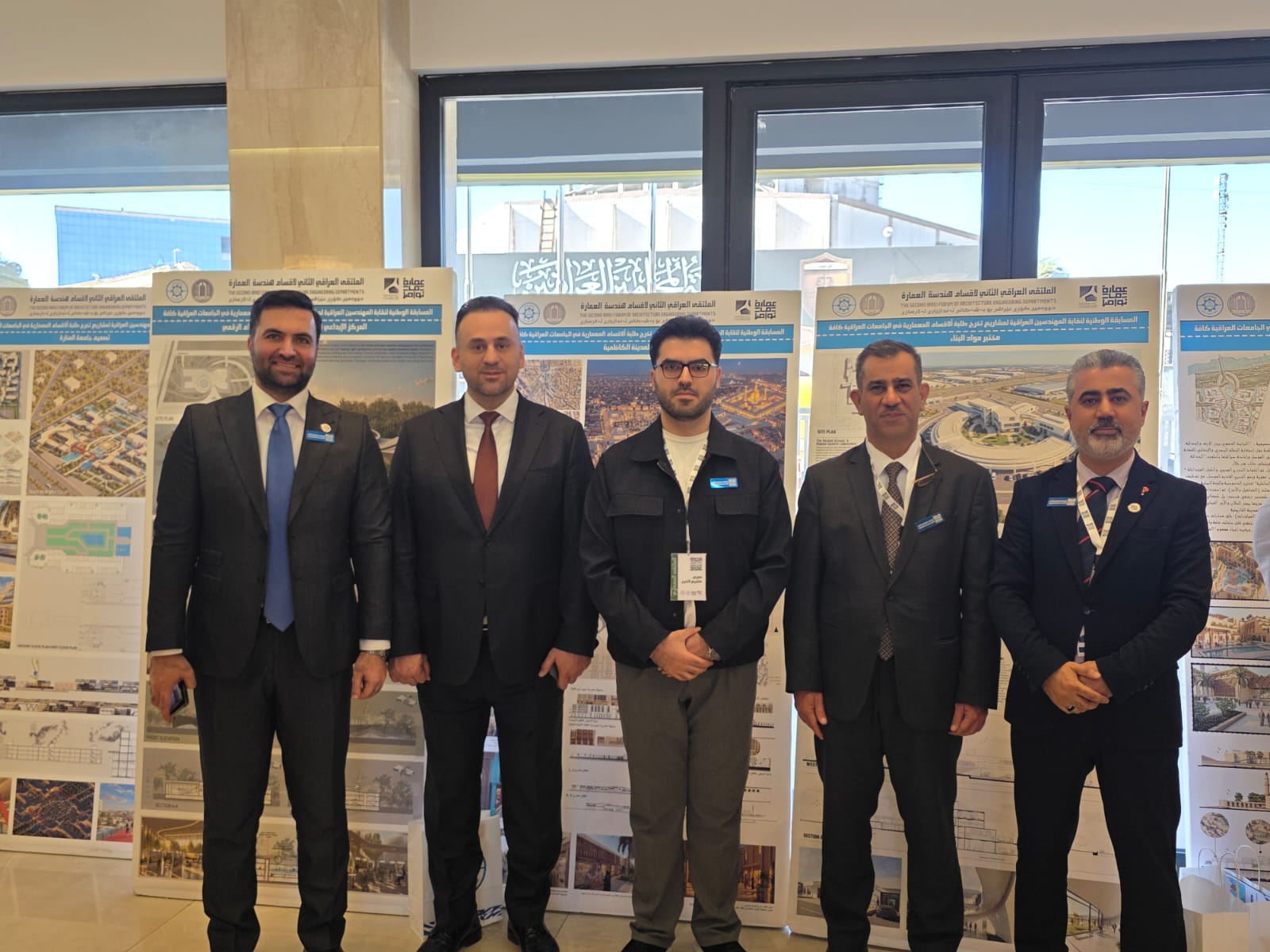
Two faculty members from the Department of Religious Education participated in the 13th international symposium in Istanbul, focused on Qur'anic solutions to problems of contemporary civilization. The event brought together participants from 60 countries and 448 universities, institutions, and organizations.
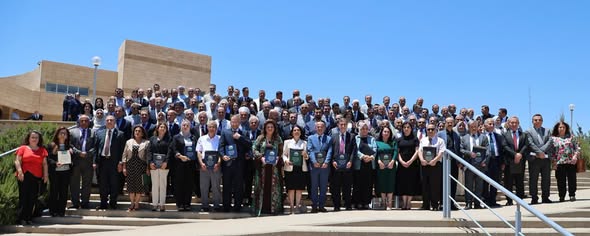
Participation in the 41st University graduation ceremony
Faculty members and graduates of the College participated in the University's 41st graduation ceremony. The College congratulated graduates from its departments for the 2025–2026 academic year.
Academic promotions to Professor
Eight faculty members from the College were promoted to the academic rank of Professor after fulfilling the scientific requirements and criteria during the 2025–2026 academic year.
Learning through academic activities
Workshops provide opportunities for academic staff and students to exchange knowledge, discuss teaching practice, and strengthen research and educational skills.
Challenges of religious education in academic institutions
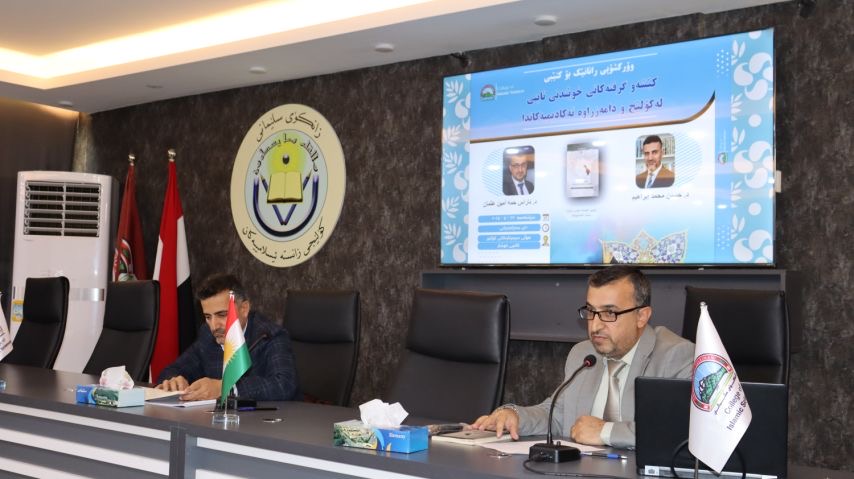
Dr. Hussein Mohammed Ibrahim and Dr. Aras Hama Amin led a workshop discussing a book on the challenges of religious education in colleges and academic institutions. Lecturers and students contributed comments and observations.
Workshop on teaching Arabic language
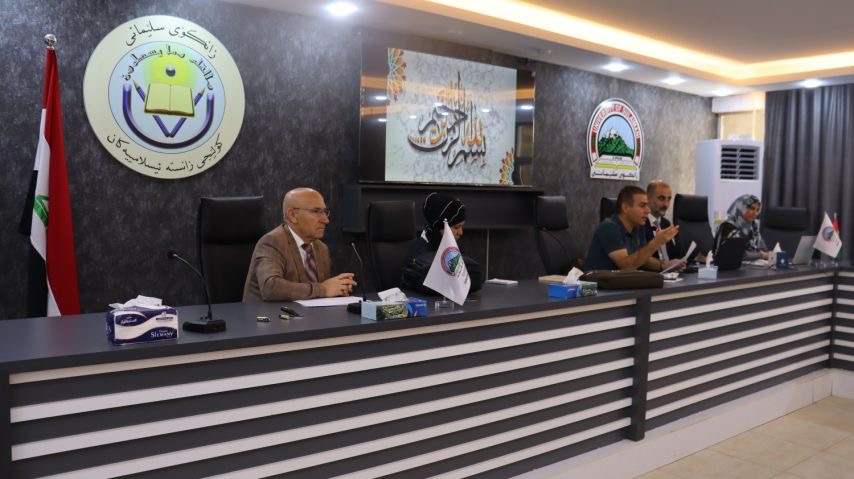
The College's Scientific Committee organized a workshop for Arabic-language instructors, addressing approaches to teaching Arabic in the College and the opportunities and challenges involved in improving language learning.
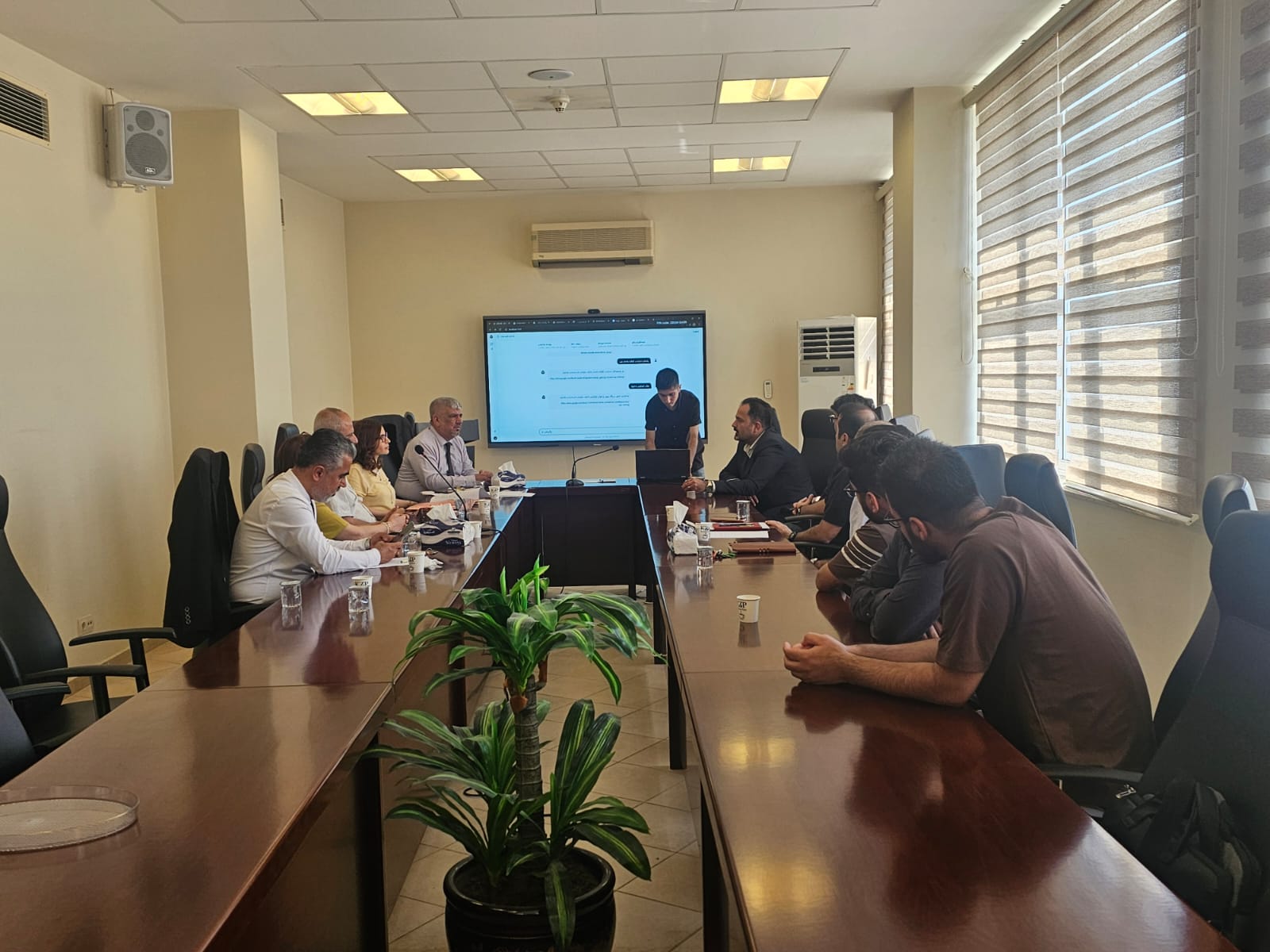
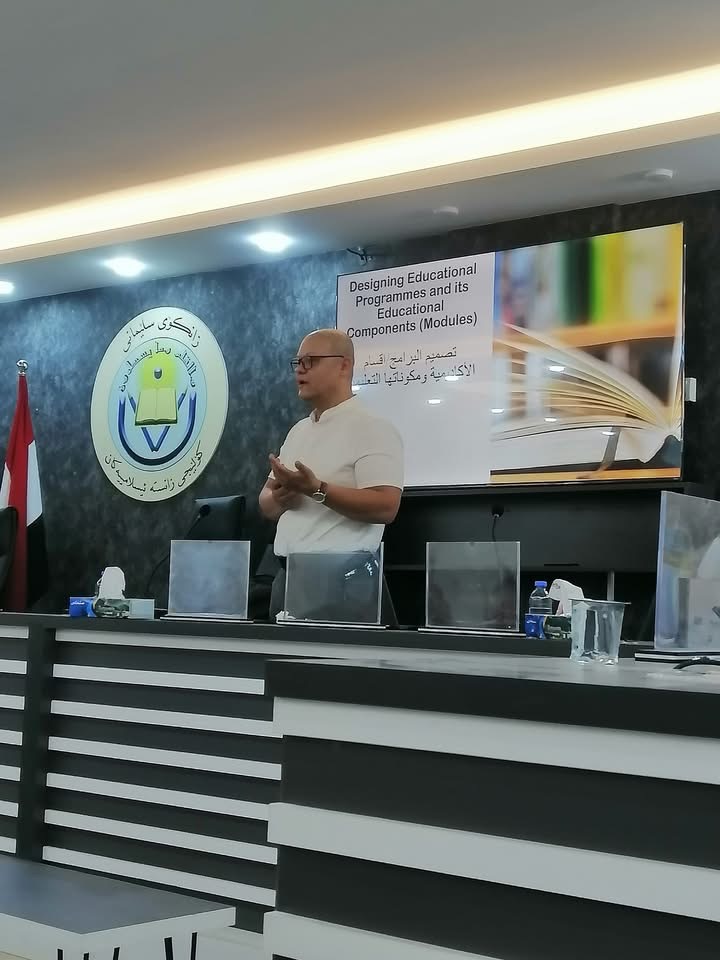
Workshop on knowledge, competence, and skills in academic programmes
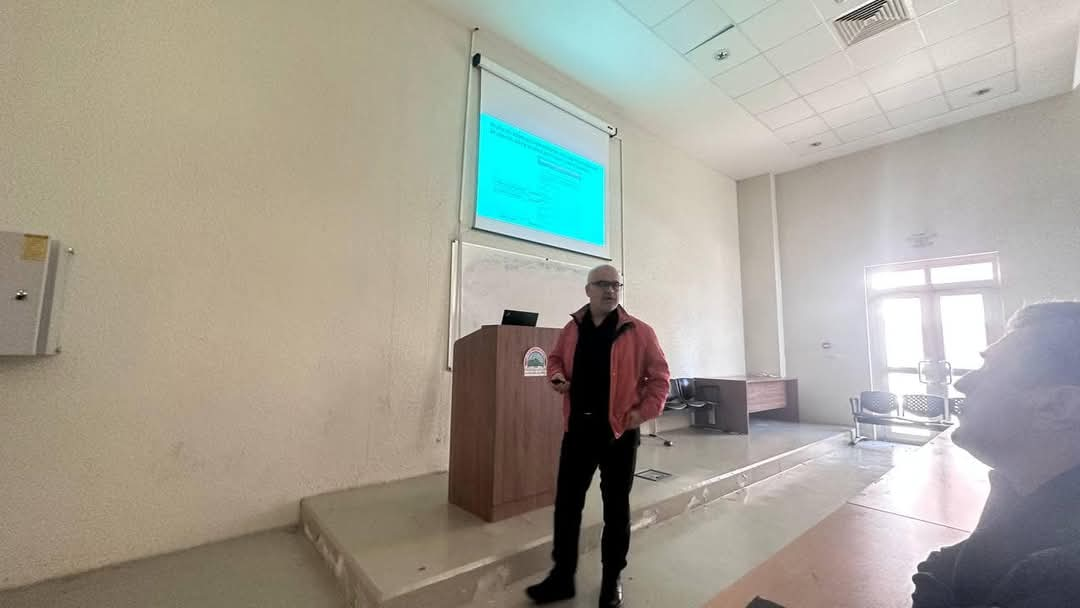
A workshop led by Mr. Daban Mohammed Haji explored the development of academic programmes, the differences between traditional systems and the Bologna process, and the design of modern study programmes.
Preparing graduates for education and service
The College aims to develop students who can apply their knowledge responsibly, continue academic study, and contribute to educational, cultural, and public institutions.
Build subject knowledge
Develop a sound understanding of Islamic sciences, original Islamic thought, and the specialist subjects of each department.
Strengthen academic skills
Develop reading, research, analysis, discussion, Arabic language, and academic communication skills.
Practice ethical responsibility
Apply principles of respect, moderation, fairness, peaceful coexistence, and responsibility in academic and social life.
Contribute to society
Prepare for further study and roles in education, research, relevant public institutions, and community service.
Knowledge, moderation, and service to society
The College of Islamic Sciences at the University of Sulaimani continues to pursue academic development, research, and the education of graduates who value knowledge, ethical responsibility, peaceful coexistence, and meaningful service to their communities.