
College of Agricultural Engineering Sciences
Cultivating a greener Earth. Preparing students to take on positions of leadership, responsibility and community service, while addressing challenges related to agriculture, food, sustainable development and regional resilience.
About the College
The College of Agricultural Engineering Sciences at the University of Sulaimani is a focal point for addressing challenges relating to agriculture, food production and regional sustainable development. Its academic programs prepare students to become knowledgeable professionals who can contribute to agricultural progress and community service.
Agriculture is one of the foundational sectors supporting human life, health and development. The Kurdistan Region has extensive agricultural land and important water resources, making the development of agricultural knowledge and professional skills essential for its future.
The College combines theoretical education with practical training. Students have opportunities to develop their skills through laboratories, greenhouses, animal farms and agricultural fields. This approach connects academic study with the practical challenges faced by farmers, producers and agricultural organizations.
Through teaching, scientific research and cooperation with local farmers and institutions, the College works to support sustainable agricultural practices, improve food production and strengthen the relationship between academic knowledge and the needs of the agricultural sector.
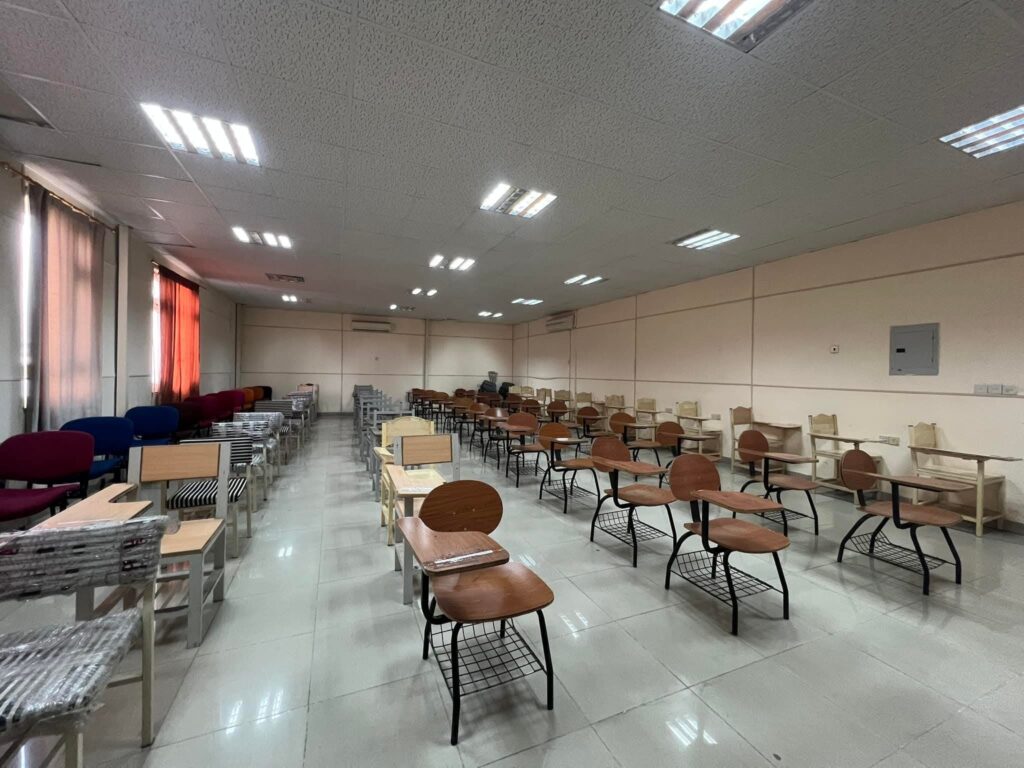
History of the College
A long-standing academic institution with a mission connected to agricultural development and the needs of the Kurdistan Region.
Agricultural Engineering Sciences was originally established in 1968. At the beginning, the College had two departments: Plant Production and Animal Production.
Following the re-establishment of the University of Sulaimani in 1992, the College was among the initial colleges that reopened and welcomed students. It officially opened its doors on 15 November 1992.
The reopening of the College was motivated by the importance of agriculture to the Kurdistan Region. With its extensive arable land and adequate water resources, the region has the potential to produce a significant share of the food required by its population.
Developing specialists across agricultural disciplines was therefore considered essential. The College has continued to expand its academic fields to address the changing needs of agricultural production, food quality, natural resources and rural development.
Agricultural Engineering Sciences began with two departments: Plant Production and Animal Production.
The University of Sulaimani was moved to Erbil following a political decision by the Baas Regime.
Following the re-establishment of the University of Sulaimani, the College reopened on 15 November 1992.
The College continues to develop agricultural education, research and practical programs across its current departments.
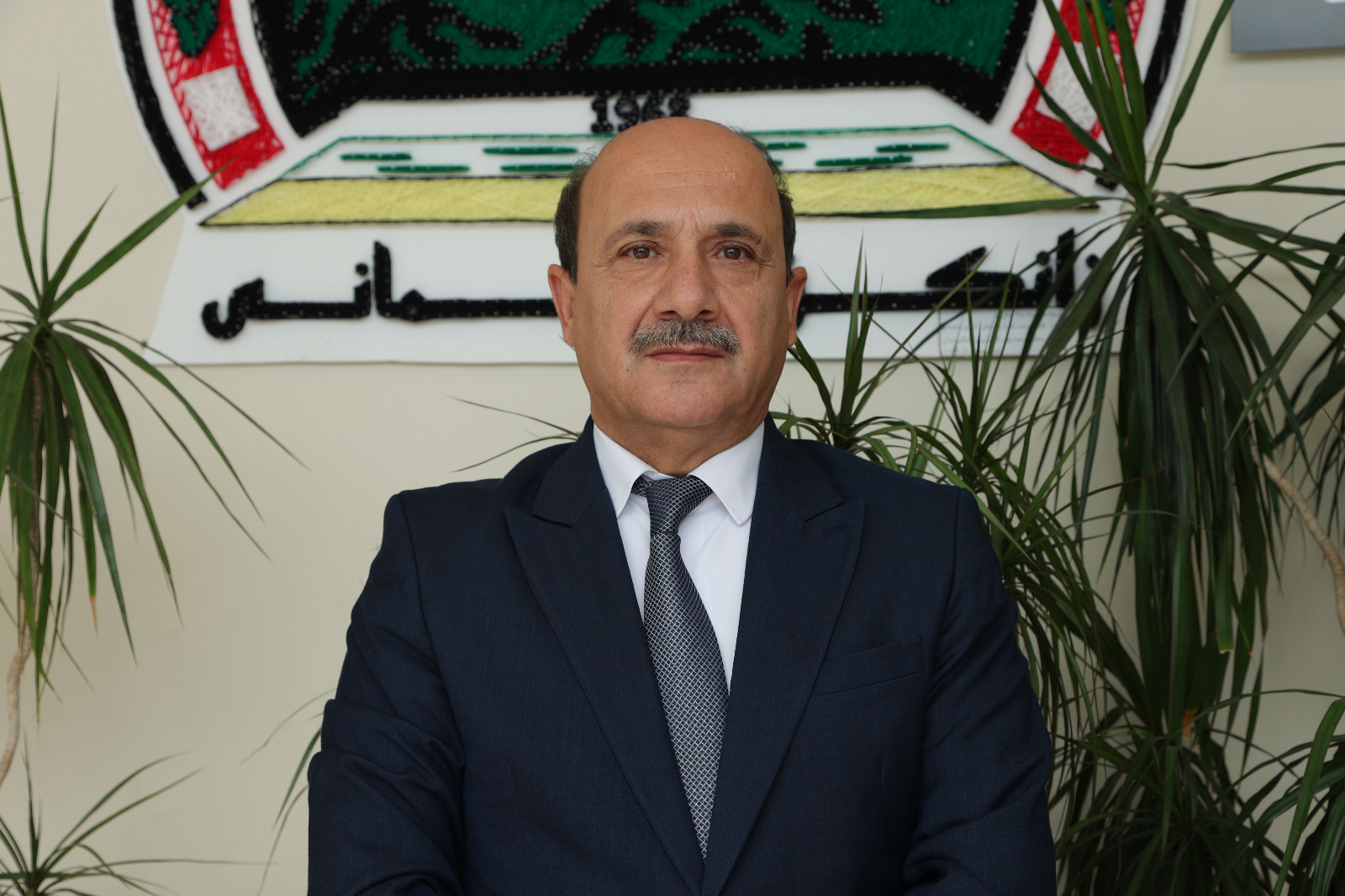
Dean's Word
Welcome to the College of Agricultural Engineering Science at the University of Sulaimani. Agriculture is one of the most vital and foundational sciences that support human life, health and development.
The College comprises specialized departments across agricultural sciences, including Biotechnology and Crop Science, Horticulture, Animal Science, Natural Resources, Food Science and Quality Control, Agribusiness and Rural Development, and Plant Protection.
We are proud to have dedicated and highly qualified academic staff, equipped with modern knowledge, teaching skills and research experience. Our students receive both theoretical instruction and hands-on training in laboratories, greenhouses, animal farms and fields used for grain production. This prepares them to meet real-world agricultural challenges with practical solutions.
The College is equipped with lecture halls, laboratories, animal facilities for cattle, sheep and goats, poultry fields and modern tools that support advanced agricultural education and research. We also work closely with local farmers, institutions and communities to provide expertise and sustainable farming solutions.
Our mission is to educate the next generation of agricultural professionals, researchers and community leaders: individuals who are knowledgeable and skilled, and who are committed to ethical practices and sustainable development.
On behalf of all staff and students, I extend my sincere thanks to our supporters for their continuous cooperation and trust. We especially thank the President of the University of Sulaimani for ongoing support and encouragement.
Vision & Mission
Our Vision
The College of Agricultural Engineering Sciences strives to become a centre of excellence by developing its teaching and research programs and providing agricultural science specializations to the community. It aims to deliver exceptional education, care and research in agricultural fields while serving the local community and advancing agricultural growth toward world-class standards.
Our Mission
The College is committed to making a positive impact on society by teaching people how to become better farmers and providing opportunities to develop new skills across a variety of agricultural disciplines. It helps students become more marketable, competitive and dedicated to original scientific inquiry while improving their skills in accordance with academic criteria.
Our Departments
The College brings together specialized academic fields that contribute to crop production, plant science, animal production, food quality, natural resource management and agricultural markets.
Biotechnology and Crop Science
The department aims to be a centre of knowledge and excellence in teaching and research related to biotechnology and crop science. Its academic focus supports the development of crop production, scientific plant knowledge and improved agricultural practices.
Crop Science · Biotechnology · Plant ProductionHorticulture and Landscape Design
This department works to develop and improve the horticulture sector in the surrounding region and create an appropriate environment for its growth. Its field includes horticultural plants, ornamental plants, landscape design and the development of gardens and green spaces.
Horticulture · Ornamental Plants · Landscape DesignNatural Resources
The Department of Natural Resources focuses on improving environmental sustainability by rehabilitating, developing and managing natural resources. It addresses the social and ecological dimensions of the environment and the responsible use of land, water and other resources.
Environment · Land and Water · SustainabilityAnimal Science
The Department of Animal Science applies fundamental knowledge of animal biology to animal production and related agricultural activities. It supports producers and agribusinesses by providing information about animal breeding and assisting animal owners with their projects.
Animal Biology · Breeding · Livestock ProductionFood Science and Quality Control
This department provides undergraduate and graduate education across food technology, human nutrition and sensory evaluation of food. Its academic field addresses food quality, food processing and the scientific principles involved in evaluating food products.
Food Technology · Nutrition · Quality ControlAgrifood Marketing
The department focuses on training, development and research related to agricultural and food systems. It aims to influence positive behavioural change and improve the experiences and outcomes of people involved in agricultural production, business and marketing.
Agribusiness · Marketing · Agricultural DevelopmentPlant Protection
The Department of Plant Protection works to protect crops from pests, diseases and weeds. It promotes sustainable and integrated plant health management to reduce agricultural losses and improve productivity.
Plant Health · Pest Management · Crop ProtectionPractical Agricultural Education
The College connects classroom learning with practical activities and facilities that help students develop professional skills.
Laboratories
Practical scientific learning and research using laboratory facilities, equipment and methods relevant to agricultural disciplines.
Greenhouses
Hands-on experience with plant cultivation, crop development and horticultural practices in controlled growing environments.
Animal Farms
Practical learning opportunities involving livestock, including cattle, sheep and goats, as well as animal production activities.
Poultry Facilities
Learning and practical activities related to poultry production and animal management.
Agricultural Fields
Field-based learning connected to grain production, crop management and agricultural practices.
Community Cooperation
Working with farmers, institutions and local communities to share expertise and encourage sustainable farming solutions.
Latest News & Events
Selected activities demonstrating the College's engagement with students, researchers, farmers and the wider community.

Coordination Meeting with the Agricultural Engineers Syndicate
The College held a coordination meeting with the Sulaimani Agricultural Engineers Syndicate as part of its efforts to strengthen cooperation and coordination between the College and professional agricultural organizations.

Achieving Your Dreams Seminar
In collaboration with the American organization N2N, the College organized a seminar to help students develop personal capabilities, identify goals and explore practical ways to achieve academic and professional success.
Ethnobotany: The Power of Plants and People
Professor Dr. Saman A. Ahmad presented a scientific workshop exploring the historical and cultural relationship between people and plants, their uses in everyday life and the importance of preserving botanical knowledge.
Workshops & Announcements
Scientific workshops, training sessions and academic events supporting research and professional development.
Workshop: China's Experience in Natural Resource Management and Agriculture
An academic workshop focused on exchanging experience and exploring approaches used in China for managing natural resources and developing the agricultural sector.
Getting Started to Dream — Student Seminar
Organized in cooperation with the American organization N2N, this seminar encouraged students to set clear goals, strengthen their confidence and work toward their future academic and professional ambitions.
A Practical Guide to Reference Management and Academic Writing
Presented by Assistant Lecturer Sazan Dana Jamal, this workshop introduced academic staff to reference organization, citation management and academic writing using EndNote 2025 and its integration with Microsoft Word. It was dedicated to academic staff in Food Science and Quality Control.
Research Design and Academic Writing for Food Science and Quality Control
A workshop announced for the Food Science and Quality Control Department, presented by Assistant Professor Dr. Rozhin Kamal Mohammedamin, focusing on research design and academic writing.
Diagnosis of Plant Diseases and Their Causal Agents: From Field to Laboratory
A two-day practical training course introduced participants to identifying plant diseases and their causes, recognizing symptoms in agricultural fields and using laboratory methods to distinguish fungi, bacteria, viruses and nematodes.
Oak in 4 Seasons
A scientific workshop associated with the Biotechnology and Crop Science field, focusing on the oak tree and its characteristics across the four seasons.
Research Highlights
Research activities across agricultural disciplines contribute to scientific understanding, food systems and sustainable agricultural development.
Genetic Diversity and Relationships Among Iris aucheri Genotypes Determined via ISSR and CDDP Markers
Research exploring genetic diversity and relationships among Iris aucheri genotypes using molecular markers.
Fried and Cooked Potato Co-products Improve Diet Physical Properties and ...
Research examining the use of potato co-products in animal diets and their effects on physical properties.