
College of Administration and Economics Knowledge, Leadership and Economic Development
Welcome to the College of Administration and Economics at the University of Sulaimani, where we empower future leaders in business, economics, management, accounting and public administration. We prepare students to turn knowledge and ideas into practical solutions for society and the workplace.

About the College
The College of Administration and Economics is one of the oldest colleges at the University of Sulaimani. It was established in 1976, eight years after the founding of the University in 1968. In 1999, the College was renewed in recognition of its importance and its contribution to management and economics.
These fields are central to business, institutional development and social progress. The College's academic programmes focus on understanding society's everyday challenges and developing appropriate solutions through economic, administrative and analytical knowledge.
The undergraduate study period is four years. Throughout their academic journey, students receive theoretical and practical preparation supported by specialised courses. The College aims to strengthen their intellectual abilities, professional skills, creativity and readiness for the changing needs of the labour market.
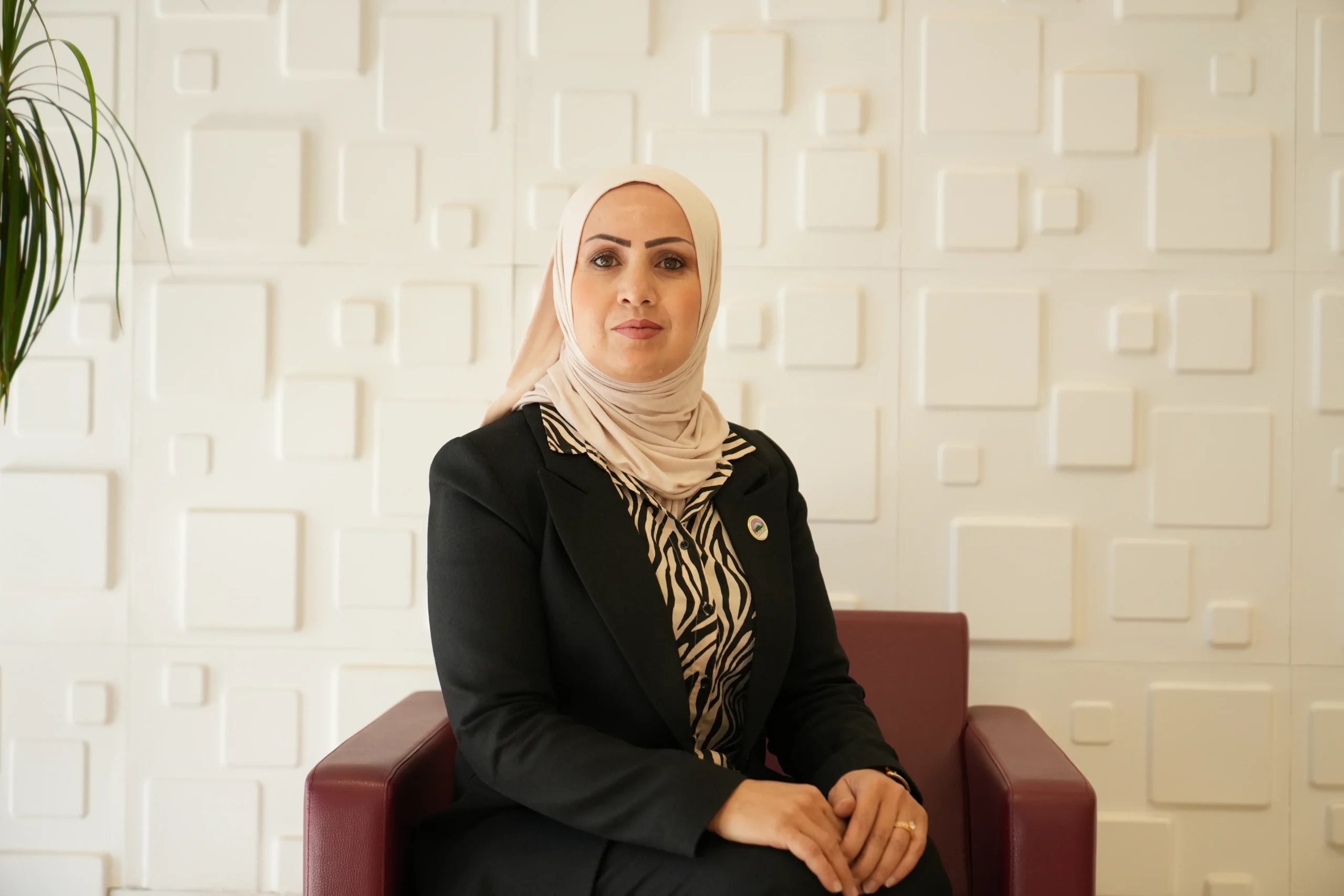
Dr. Sozan Saber Haider Ali
Professor · Dean of the College
Vision, Mission and Goals
The principles that guide the College's academic work, research priorities and contribution to society.
Our Vision
To build a pioneering college model capable of preparing and qualifying graduates who are scientifically and practically equipped to achieve their ambitions. The College also seeks to advance postgraduate studies and scientific research in support of society, the environment and sustainable development.
Our Mission
To create supportive scientific and academic conditions by motivating human abilities, finding appropriate solutions to economic and administrative challenges, and developing educational and social aspects that strengthen students' personalities.
Our Academic Commitment
To connect academic knowledge with practical skills, encourage innovation and research, and prepare graduates who can contribute to organisations, businesses and the wider community.
Our Goals
Explore Our Departments
The College brings together five academic disciplines. Each department develops specialised knowledge, analytical abilities and practical skills relevant to its field.
From understanding economic systems and interpreting data to managing financial resources, leading organisations and developing markets, our departments provide students with different academic pathways connected to the needs of contemporary society.

Economics
The Department of Economics focuses on understanding how economies operate, how resources are allocated and how economic decisions influence individuals, businesses and governments.
Students develop the ability to examine economic problems, interpret market trends and understand the relationship between production, consumption, employment, investment and public policy. This knowledge supports informed decision-making and an understanding of local and global economic change.

Statistics and Informatics
The Department of Statistics and Informatics brings together statistical reasoning, data analysis and information technology. It focuses on preparing students to collect, organise, analyse and interpret information in a systematic way.
Students develop skills for working with numerical data, statistical methods, computing tools and information systems. These abilities are important for research, planning, business analysis and evidence-based decision-making.

Accounting
The Department of Accounting focuses on the recording, classification, analysis and reporting of financial information. It helps students understand how organisations monitor their financial activities and communicate their financial position.
Through accounting concepts and practical applications, students develop an understanding of financial statements, cost information, auditing, taxation and financial control. These skills support accountability and sound financial management.

Business Management
The Department of Business Management examines how organisations are established, structured, directed and developed. It introduces students to the principles and practices involved in managing people, resources, operations and organisational goals.
Students explore management processes, leadership, organisational behaviour, planning and decision-making. The department aims to develop the knowledge and skills needed to contribute to businesses and institutions in changing organisational environments.

Marketing Management
The Department of Marketing Management focuses on understanding markets, customers, products and the strategies organisations use to communicate value and build lasting relationships.
Students explore consumer behaviour, market research, branding, promotion and marketing strategy. The discipline connects creative thinking with analysis and planning to help organisations understand customer needs and respond to market opportunities.
Economics
Markets, resources and economic development.
Statistics and Informatics
Data, statistical methods and information.
Accounting
Financial records, reporting and accountability.
Business Management
Leadership, organisations and strategy.
Marketing Management
Customers, markets and communication.
Study Opportunities
The College's academic structure includes undergraduate and postgraduate study pathways across its specialisations.
Latest Announcements
Academic notices, seminars and activities organised by the College of Administration and Economics.
The Relationship of Accounting to Other Sciences
A seminar by Lecturer Baxcha Abdullah Muhammad, exploring the relationship between accounting and other academic disciplines. The event is scheduled for 10 November 2026 at 10:30 AM in the Conference Hall. Attendance is for lecturers of the College.
Quality Assurance in Teaching
A workshop presented by Assist. Professor Dr. Shan Sirwan Mustafa on teaching standards, regulations, teacher assessment and student feedback. The announcement specifies attendance for College lecturers.
Basics of Programming Language Python
A seminar by Lecturer Azad Abdullah Saeed introducing the fundamentals of the Python programming language. The announcement specifies attendance for lecturers of the Statistics and Informatics Department.
Latest Workshops and Activities
Workshops and academic events complement classroom learning through discussion, practical knowledge and professional development.
Quality Assurance in Teaching: Standards, Rules, Teacher Assessment and Student Feedback
A workshop addressing teaching quality, academic standards, assessment practices and student feedback.
Managing Exam Stress and Improving Study Skills
An educational workshop focused on examination stress management and developing effective approaches to studying.
The Risk of Sensationalising Crimes in the Media
A discussion of media representation of crime and its possible influence on society.
Deepfake Crimes and Their Impact on Family Disintegration
An academic workshop examining deepfake-related crimes and their potential social and family effects.
Advancing Knowledge Through Research
Scientific research is an important part of the College's academic mission. Faculty members and postgraduate students contribute to the development of knowledge through research, academic conferences and scholarly activities.
The College's five disciplines provide different perspectives on economic, financial, organisational and information-related challenges.